What Is a Fix and Flip Loan? A Georgia Investor’s Guide
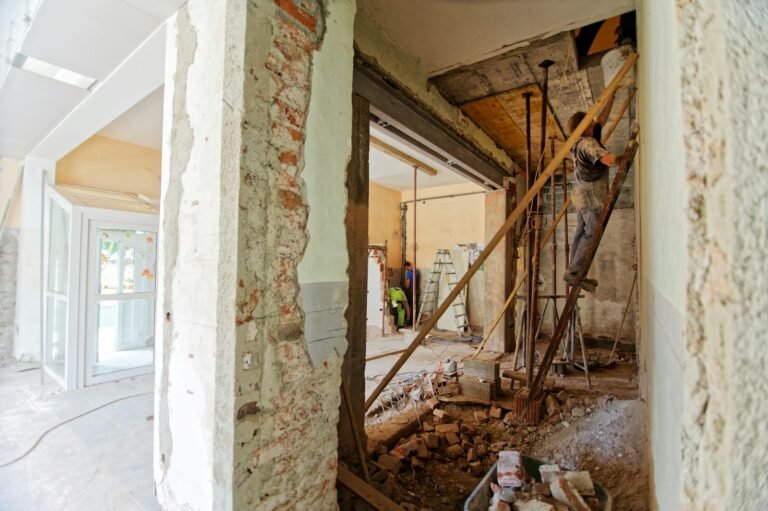
You spot a run-down house in a good Georgia neighborhood, priced low because it needs work. You know you could fix it up and sell it for a solid profit. The only problem is the money. A regular bank won’t finance a house in that condition, and tying up your own cash isn’t ideal. This is where a fix and flip loan comes in.
Let’s break down what a fix and flip loan is, how it works, what it costs in 2026, and how Georgia investors use it to turn distressed properties into profit.
What Is a Fix and Flip Loan?
A fix and flip loan is a short-term loan that helps real estate investors buy a property, renovate it, and sell it for a profit. It covers both the purchase and the rehab costs, and it’s designed to be paid back quickly, usually within 6 to 18 months, once the property sells.
The big difference from a traditional mortgage is speed and focus. A bank cares about your income and the home’s current condition. A fix and flip loan is based mostly on the deal itself, specifically the property’s after-repair value, which is what it will be worth once the work is done.
For Georgia investors, that’s the whole appeal. You don’t need the property to be move-in ready, and you don’t need a 30-year loan. You need fast money for a short project, and that’s exactly what a fix and flip loan delivers.
How Does a Fix and Flip Loan Work?
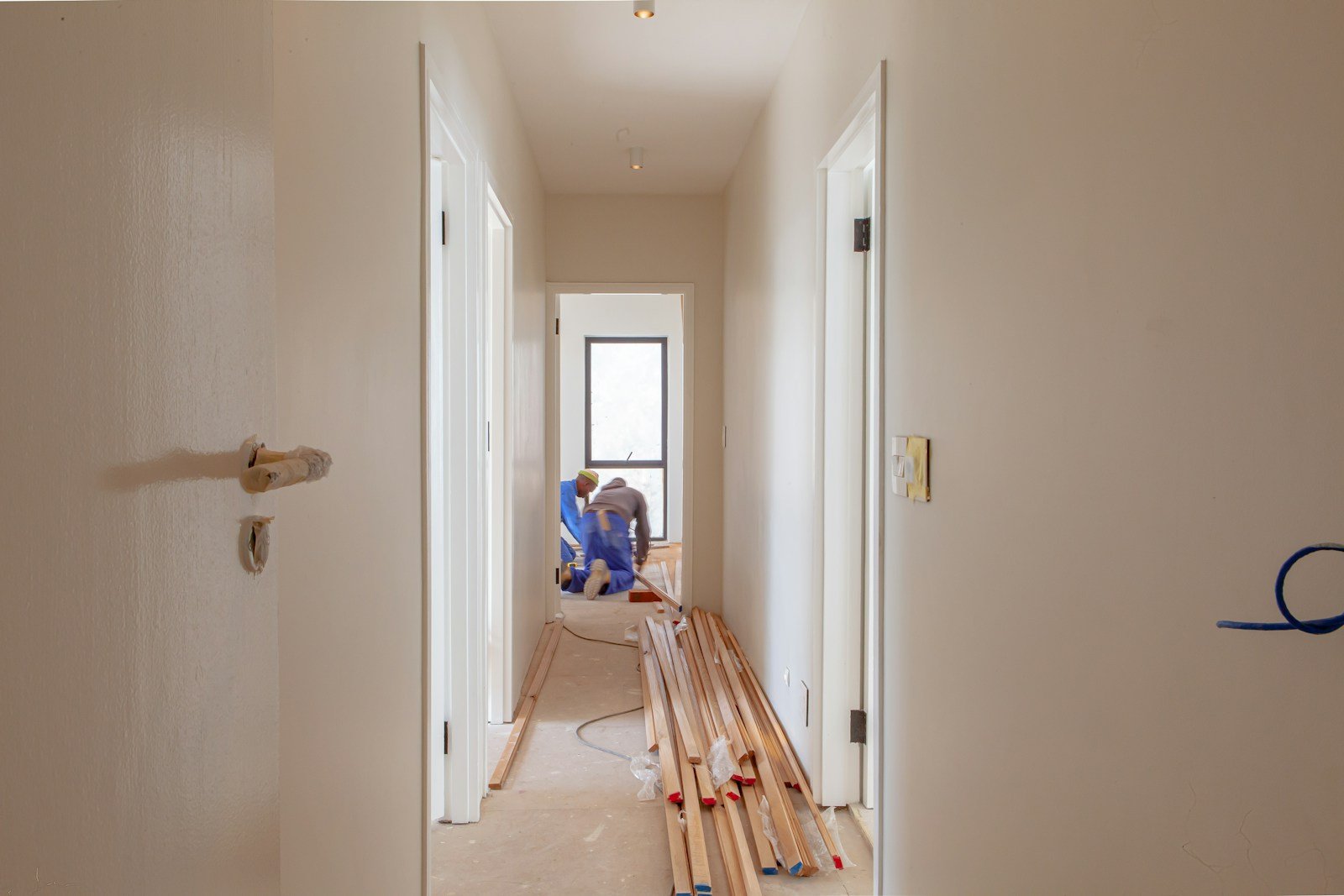
A fix and flip loan works in two parts: money to buy the property and money to renovate it. The purchase funds come at closing, and the rehab funds are released in stages as you complete the work, through what’s called a draw schedule.
Here’s the typical flow. You find a deal and bring it to the lender. They size the loan based on the after-repair value and the total project cost. You put in a down payment, close on the purchase, and start the renovation. As you hit milestones, you request a draw, the lender inspects the work, and they release the next chunk of rehab money.
How the draw schedule works
The rehab budget isn’t handed over all at once. It sits in escrow and gets released in pieces as you finish each stage of the work. You complete a milestone, request a draw, and an inspector confirms it before the lender funds the next portion. This protects the lender and keeps your project moving. It’s a core feature of almost every fix and flip loan.
Interest-only payments and a balloon at the end
Most fix and flip loans are interest-only during the term, which keeps your monthly payments low while you’re renovating. The full loan balance comes due as a single balloon payment when the term ends, which you cover by selling the property. If the flip runs long, that balloon is the pressure point to plan around.
How Much Does a Fix and Flip Loan Cost in 2026?
In 2026, fix and flip loan interest rates typically run from about 8% to 14%, with most hard money versions landing around 9.5% to 13%. On top of the rate, you usually pay 1.5 to 3 points upfront, which is 1.5% to 3% of the loan amount.
So on a $300,000 loan, 2 points would cost you $6,000 at closing. These loans cost more than a conventional mortgage, and that’s the trade-off for speed, flexibility, and financing a property a bank won’t touch. The math only works if your projected profit comfortably covers the financing costs.
How much will a lender give you
Fix and flip lenders usually size the loan two ways and give you the lower number. They’ll lend up to about 70% to 75% of the after-repair value, or about 85% to 95% of the total project cost (purchase plus rehab). Your down payment typically runs 10% to 20% of the project, and first-time Georgia flippers may need to put in more. Understanding how lenders judge a deal is key, and our guide on how DSCR is calculated shows one way income-producing properties get measured.
Who Is a Fix and Flip Loan For?
A fix and flip loan is for real estate investors who buy distressed properties, renovate them, and resell them for a profit. It works for first-time flippers and seasoned ones alike, because approval leans on the property and the plan more than your personal income.
In Georgia’s active markets, from metro Atlanta out to smaller towns, there’s steady demand for updated homes, which is why flipping stays popular. If you’ve got a solid deal, a realistic rehab budget, and a clear resale plan, a fix and flip loan gives you the capital to act fast. It’s closely related to other investor tools, and our guides on what a hard money loan is and what a bridge loan is explain the overlapping options.
What you need to qualify
Most lenders want to see a worthwhile deal, a sensible renovation plan, and enough cash for the down payment and reserves. A decent credit score helps you get better terms, but the property carries most of the weight. First-time flippers can absolutely get approved, just expect a larger down payment until you have a track record.
How Does a Fix and Flip Loan Compare to Other Financing?
A fix and flip loan is built for buying and reselling quickly, while other investor loans serve different goals. A hard money loan is the broader category that fix and flip loans fall under. A bridge loan covers short-term gaps. A DSCR loan is for holding a rental long term based on its income.
If your plan is to renovate and sell, a fix and flip loan fits. If your plan is to buy and hold a rental, a long-term option makes more sense, and our guide on how to finance a rental property walks through those. The right loan always comes down to your exit plan.
Frequently Asked Questions About Fix and Flip Loans
What credit score do you need for a fix and flip loan?
There’s no universal minimum, because these loans lean on the property’s value more than your credit. A stronger score gets you better rates and a lower down payment, but many Georgia investors with average credit still qualify.
How long is a fix and flip loan?
Most fix and flip loans run 6 to 18 months, with 12 months being the most common. The idea is to give you enough time to renovate and sell before the balloon payment comes due.
Does a fix and flip loan cover renovation costs?
Yes. A fix and flip loan covers both the purchase and the rehab. The rehab funds are released in stages through a draw schedule as you complete and verify the work.
Can a first-time investor get a fix and flip loan?
Yes. First-time flippers can qualify, since approval is based mainly on the deal. Expect a larger down payment, often 20% to 25%, until you build a track record of successful projects.
Funding Your Next Georgia Flip
A fix and flip loan is the engine behind most successful flips. It gives you fast capital, covers both purchase and rehab, and is judged on the deal rather than your pay stubs. The key is running honest numbers so your projected profit covers the higher financing costs with room to spare.
If you’re a Georgia investor weighing a fix and flip loan for your next project and want to talk through whether the numbers work, Goldway Capital can help. Reach out through our contact page for a no-pressure conversation.
This information is for educational purposes only and does not constitute legal, financial, tax, or lending advice. Loan terms, rates, and availability vary by lender and borrower. Goldway Capital LLC | NPN 22184664 | NMLS ID 1407513.